COSMICS · NOTE 001.1
Can We See a Fire Before It Burns?
Detection is getting faster. Prediction is still a different problem.
EARTHVISION LAB · ~15 MIN READ
THE EMPTY FRAME
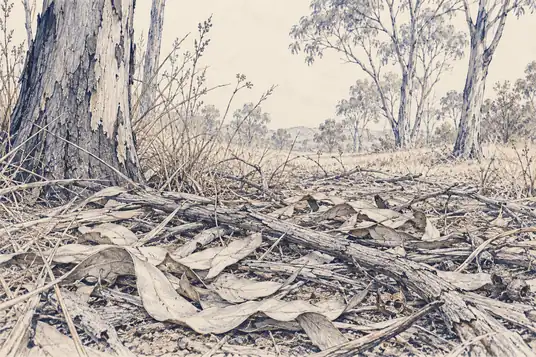
A satellite can see a large wildfire. That is impressive, but it is also late. By the time heat becomes bright enough to stand out from orbit, something is already burning.
The useful question is harder. Can we look at a landscape on Monday and say that one small patch is unusually likely to burn on Thursday? No flame. No smoke. Just fuel, heat, wind, moisture, terrain and human activity waiting in an uncertain combination.
This is the difference between seeing an event and understanding the conditions that make an event possible.
FASTER EYES
Detection is becoming an engineering race
Fire detection has improved because the whole chain has improved. Sensors revisit more often. Ground stations receive data faster. Processing runs automatically. Alerts can reach emergency teams without waiting for a human analyst to inspect every image.
In August 2026, ESA and Eumetsat said they had shortened delivery of some Sentinel-3 fire detection data over Europe from the normal three-hour requirement to roughly 60 to 90 minutes. Nothing about the satellite sensor itself had to change. The gain came from changing how quickly data was sent to the ground.
That is a useful reminder. Planetary intelligence is not only about better models. Sometimes the breakthrough is removing an hour from a pipeline.
BEFORE IGNITION
A forest can look calm and still be ready
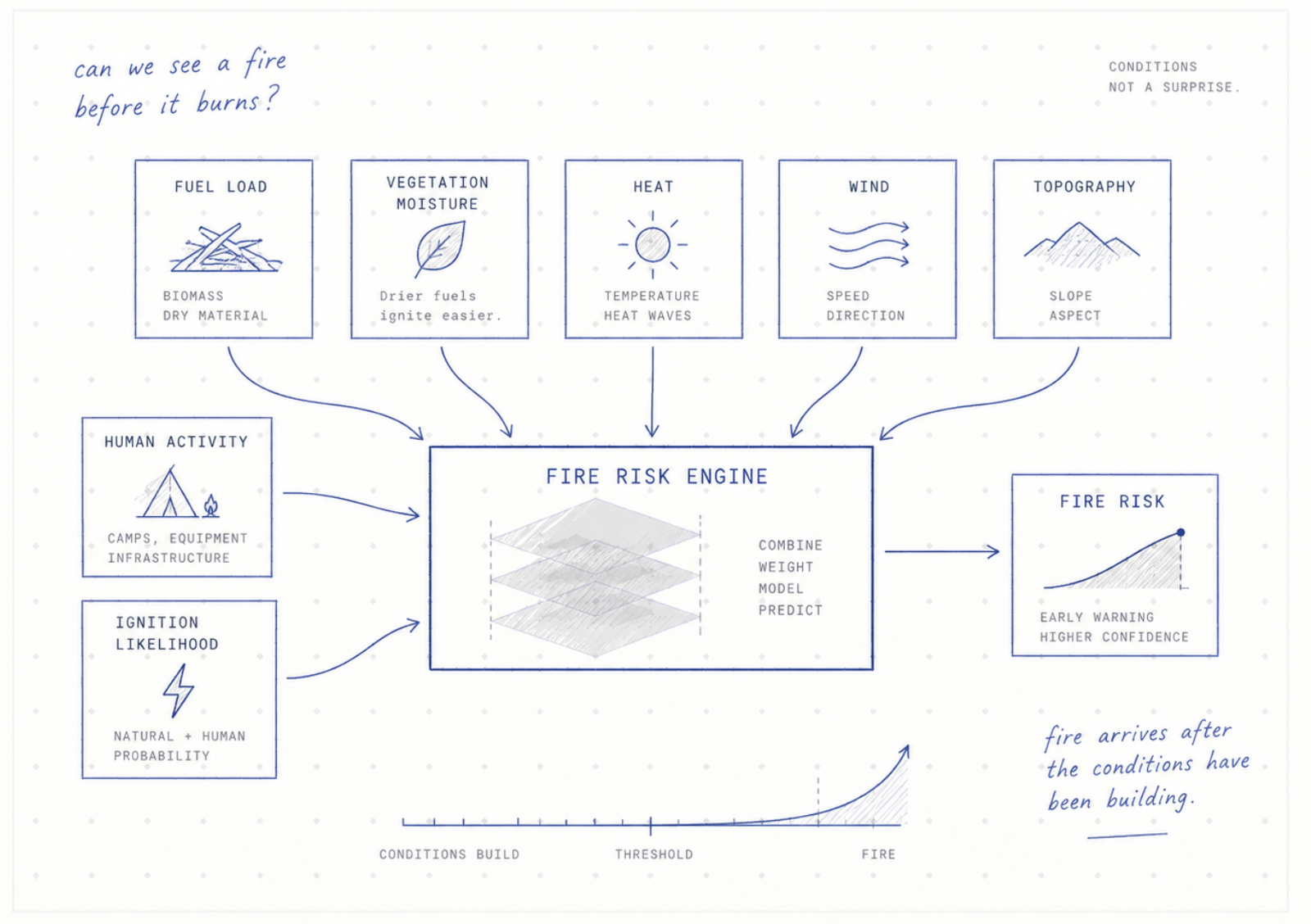
Before a fire, the landscape is full of weak signals. Vegetation may be drying. Soil moisture may be low. Hot, dry air may be pulling water from leaves. Wind may be forecast to rise. Dead fuel may have accumulated after months without enough rain.
Satellites can measure parts of this story. They can estimate vegetation condition, land surface temperature, moisture and recent change. Weather models add wind, humidity and temperature. Terrain models add slope and aspect.
But a dangerous landscape does not always burn. Most dry places on most dry days do not become disasters. Prediction has to identify the rare combination that crosses the line.
IGNITION
The missing variable may be a person
A model can know almost everything about fuel and weather and still miss the event because it does not know where the spark will come from. Lightning is one source. So are power lines, machinery, campfires, vehicles, farm burning and deliberate ignition.
This makes wildfire prediction a strange problem. Part of it is physics. Part of it is ecology. Part of it is weather. Part of it is human behaviour.
A landscape can be ready to burn for days. The event begins when possibility meets a spark.
RISK, NOT PROPHECY
The warning cannot pretend to be certain
People often imagine prediction as a clean statement: a fire will start here at 3:20 PM. That is rarely the right target. A useful system may instead say that the chance of ignition and rapid spread is much higher than normal across a small area for the next twelve hours.
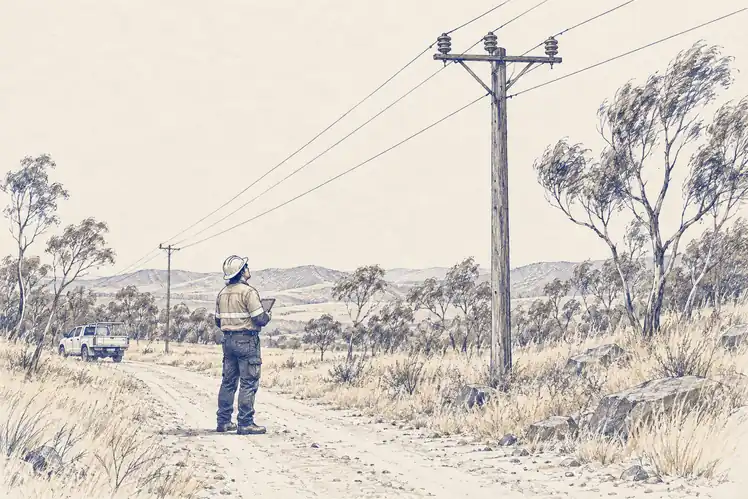
That sounds less dramatic, but it is more actionable. Crews can pre-position. Utilities can inspect vulnerable lines. Authorities can restrict risky work. Cameras and satellites can increase attention over a smaller zone.
Good prediction is not about sounding certain. It is about changing the next decision.
THE HUMAN LIMIT
Too many warnings can become no warning
A system that warns everywhere is technically safe and practically useless. Fire agencies cannot deploy crews to every dry hillside. Utilities cannot shut power across every windy region. People eventually stop listening to alerts that rarely matter.
The real measure of a prediction system is therefore not only how many fires it catches. It is how much attention it wastes. A warning has a cost even when nothing burns.
This is where Earth observation meets economics. The best model may be the one that helps a human decide where to spend the next hour, not the one that produces the most colourful risk map.
THE NEXT QUESTION
The real milestone is before fire
We are getting better at spotting fire quickly. That will save lives and land. But the deeper scientific milestone is still ahead.
It arrives when a system can watch millions of quiet hectares, ignore almost all of them, and notice the few places where fuel, weather, terrain and likely ignition are becoming dangerous together.
The satellite will not be looking for fire anymore. It will be looking for the conditions from which fire emerges.